

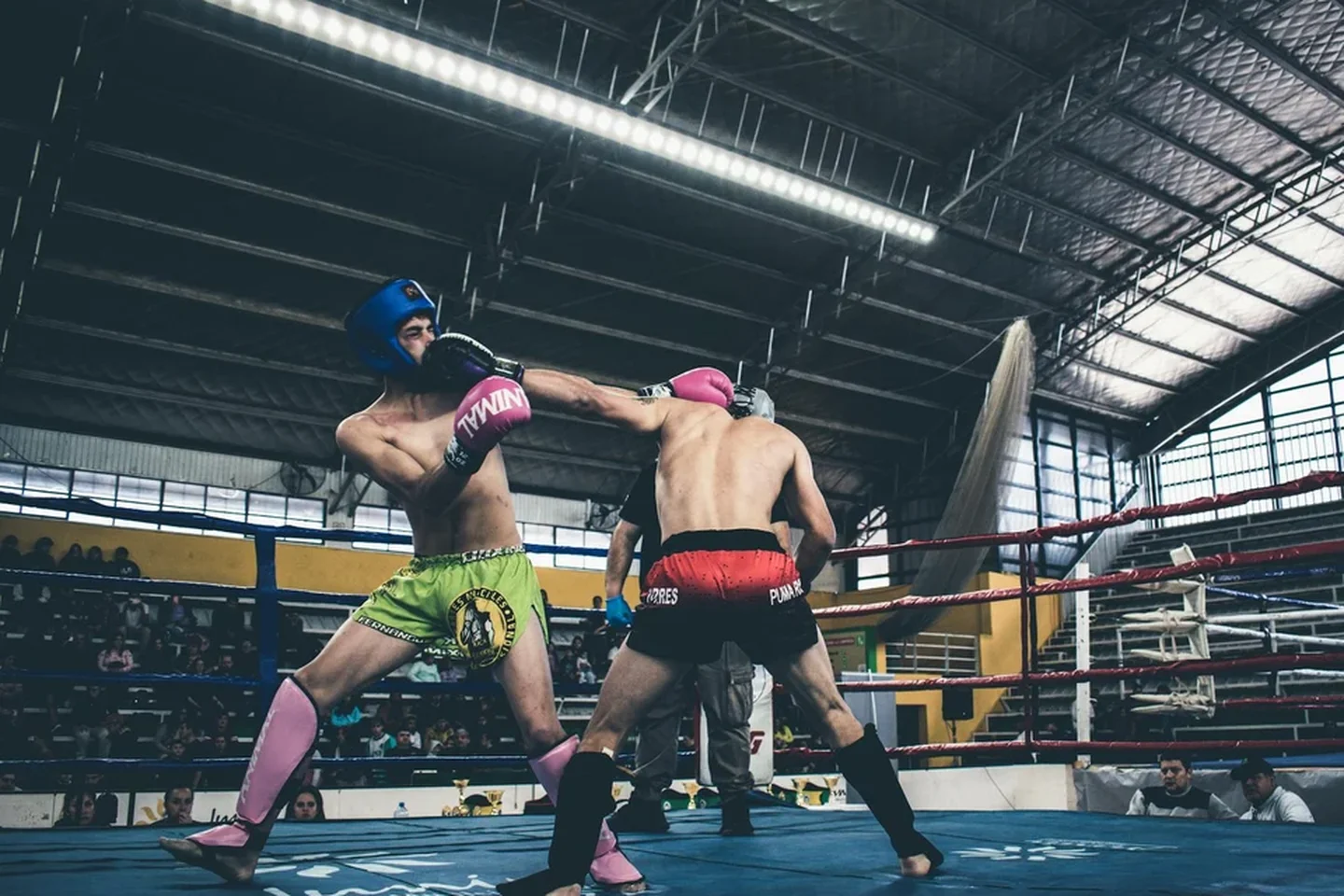
Canadian UFC Champions: History and Legacy
The ascent of Canadian athletes within the Ultimate Fighting Championship is a story of pioneering spirit, elite athleticism, and national pride. From the early days of the sport to its current status as a global phenomenon, fighters from Canada have not only competed at the highest level but have also defined eras, captured the imagination of millions, and cemented their place in combat sports history. This guide delves into the rich tapestry of success woven by Canadian UFC champions, exploring their groundbreaking achievements, the unique fighting ethos they embody, and the enduring legacy they have built for the nation on the world’s premier mixed martial arts stage. Understanding this history is crucial for any fan following UFC fighters from Canada, as it provides context for the current landscape and inspiration for the next generation.
The Pioneer: Canada’s First UFC Champion
Before the era of global expansion and mainstream acceptance, the Ultimate Fighting Championship was a proving ground for martial arts disciplines. In this crucible, a Canadian fighter emerged to shatter expectations and set a new standard.
Carlos Newton and the Welterweight Title
In 2001, Carlos “The Ronin” Newton achieved what many thought impossible for a fighter north of the border at the time: he captured UFC gold. At UFC 31, Newton submitted Pat Miletich with a bulldog choke to claim the welterweight championship. His victory was a testament to technical grappling and a unique, cerebral approach to fighting. Although his reign was brief, losing the title to Matt Hughes in a memorable and controversial bout months later, Newton’s accomplishment was monumental. He proved that Canadian fighters could not only compete with the world’s best but could also reach the pinnacle of the sport. His success paved the way, serving as a beacon for the athletes who would follow and forever etching his name as Canada’s first UFC champion.
The Dynasty: Georges St-Pierre and Global Superstardom
If Carlos Newton opened the door, Georges St-Pierre (GSP) kicked it off its hinges and built an empire in its place. His career is the central pillar of Canada’s legacy in the Ultimate Fighting Championship, transforming the nation from a participant into a powerhouse.
The Rise of GSP
Hailing from Saint-Isidore, Quebec, GSP’s journey from a karate kid bullied in school to a global icon is the stuff of legend. He captured the UFC welterweight title for the first time at UFC 65 in 2006, defeating Matt Hughes. After a shocking upset loss to Matt Serra, GSP’s comeback defined his character. He reclaimed the title and then embarked on one of the most dominant reigns in combat sports history.
A Reign of Dominance and Excellence
From 2008 to 2013, Georges St-Pierre defended his welterweight championship nine consecutive times, cleaning out a division of legends and contenders. His style was a masterclass in mixed martial arts—a flawless blend of Olympic-level wrestling, dynamic striking, and fight IQ that seemed preternatural. Opponents were not just beaten; they were systematically broken down and outclassed. Fights against the likes of B.J. Penn, Jake Shields, and Carlos Condit showcased his adaptability and sheer will to win. His success became a national event in Canada, with UFC events in Canada, particularly in Montreal and Toronto, becoming massive spectacles centered around his title defenses.
The Legacy of a Global Icon
GSP’s impact transcends his UFC career records (26-2). He became the face of the sport’s growth, a marketable superstar who appealed to casual and hardcore fans alike. His sportsmanship, professionalism, and bilingual charisma made him an ambassador for Canada on the world stage. His induction into the UFC Hall of Fame was a foregone conclusion, solidifying his status as not just the greatest Canadian fighter of all time, but arguably the greatest mixed martial artist ever. His influence is evident at the UFC Performance Institute, where his approach to training and preparation is studied, and in every Canadian fighter who steps into the Octagon, carrying the standard he raised so high.
The Heavyweight King: Canada’s Reign in the Big Leagues
While GSP ruled the welterweights, another Canadian was making history in the sport’s most prestigious division. The heavyweight title, long the domain of fighters from the United States, Brazil, and Europe, found a home in Canada.
The Ascent of a Powerhouse
The fighter who achieved this feat carved his own distinct path. With a background in collegiate wrestling and devastating knockout power, he stormed through the heavyweight ranks. His journey to the title was marked by emphatic finishes and a quiet, focused demeanor that contrasted with the division’s often-bombastic personalities.
Capturing the Crown and Defining a Division
His championship victory was a seismic moment for Canadian sports. By capturing the heavyweight strap, he validated the country’s production of elite, large-framed athletes in a sport where size and power are paramount. His title reign, though met with formidable challenges, added a crucial and different dimension to Canada’s championship legacy. It proved that Canadian excellence in the Ultimate Fighting Championship was not confined to one weight class or one fighting style. The heavyweight champion became a symbol of raw power and technical prowess, drawing massive audiences for UFC fight cards and further cementing Canada’s reputation as a top-tier MMA nation.
The Modern Era: Carrying the Torch Forward
The legacy of the pioneers and kings is now a mantle carried by a new generation of Canadian UFC fighters. While the championship standard set by GSP is incredibly high, several athletes have come agonizingly close or are currently positioned as top contenders, ensuring Canada’s continued relevance in the UFC rankings.
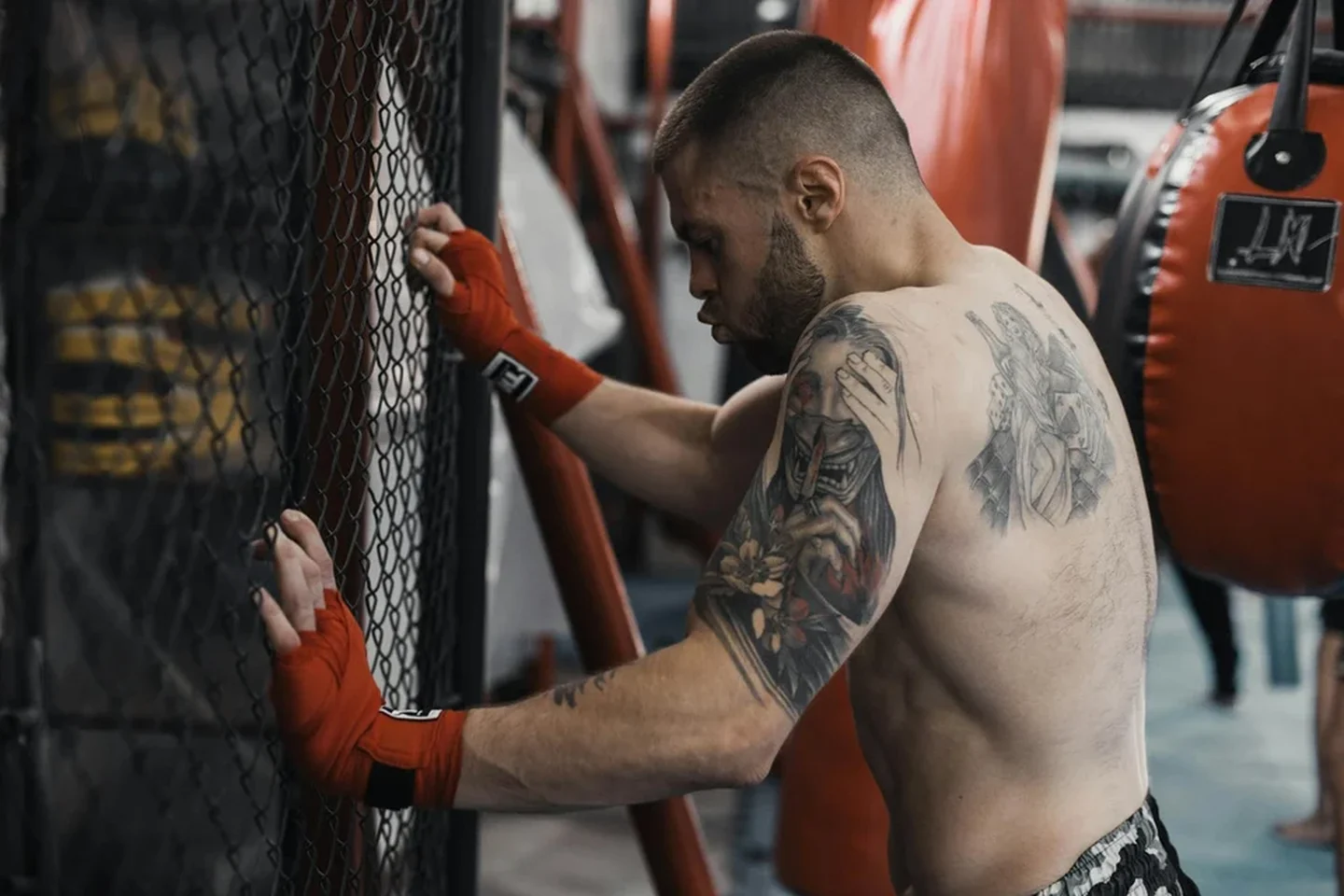
Top Contenders and Title Challengers
Fighters like Ciryl Gane (though representing France, training out of Montreal’s famed MMA Circus gym highlights Canada’s role as a global training hub), Mike Malott, and Jasmine Jasudavicius represent the modern, well-rounded product of Canada’s evolved MMA infrastructure. They are products of world-class gyms and benefit from the history written by those before them. Their presence in main events and high-stakes bouts is a regular feature of UFC news, demonstrating that the pipeline of talent remains strong.
The Infrastructure of Success
The success of Canadian fighters is no accident. It is built upon a robust infrastructure:
World-Class Training Camps: Gyms like TriStar in Montreal (home to GSP and Firas Zahabi) and others across the country provide elite coaching.
The UFC Performance Institute (UFC PI): While physically located in Las Vegas and Shanghai, the PI’s methodologies and support are accessed by athletes globally, including Canadians who utilize its resources for cutting-edge training and recovery.
National Broadcast Exposure: Consistent coverage from UFC broadcast partners in Canada, such as TSN and RDS, has kept the sport in the public eye for decades, inspiring young athletes to pursue the sport.
For a deeper look at the athletes shaping this modern era, explore our comprehensive UFC fighter profiles in our dedicated hub: Canadian UFC Fighters Profiles.
The Cultural Impact: UFC in Canada
The success of Canadian champions has had a profound effect on the sport’s popularity within the nation itself. Canada is not just an exporter of talent; it is one of the Ultimate Fighting Championship’s most important and passionate markets.
Record-Breaking Events and Fan Passion
UFC events in Canada consistently shatter attendance and gate records. UFC 129 at the Rogers Centre in Toronto, headlined by Georges St-Pierre, holds the North American attendance record for a UFC event with over 55,000 fans. The energy in Canadian arenas is electric, creating a home-field advantage for fighters that is palpable through the screen. This fan passion is a direct result of the national pride fostered by years of championship success.
Developing the Next Generation
The visibility of champions has created a thriving grassroots MMA scene. Young athletes across Canada now see a viable path to the top. Amateur promotions are fertile ground for developing talent, and the coaching tree established by pioneers has spread nationwide. This organic growth ensures that Canada will remain a key talent pool for the Ultimate Fighting Championship for years to come.
Practical Guide: Understanding a Champion’s Path
For fans and aspiring fighters alike, dissecting the journey of a Canadian champion offers valuable lessons. Here are key elements that have defined their paths to gold:
Mastering the Fundamentals: Every Canadian champion has been exceptionally strong in at least one core discipline (wrestling for GSP, boxing for others) while becoming highly competent everywhere else. There are no glaring weaknesses.
Evolution and Adaptation: Champions do not stay static. Study GSP’s career—he added elite wrestling and improved his striking dramatically after his loss to Matt Serra. Champions adapt their games to new challenges and evolving meta within the sport.
Mental Fortitude: The pressure of a title fight, especially on home soil, is immense. The ability to perform under that spotlight, to recover from setbacks, and to maintain focus through long camps is a non-negotiable trait.
* Building a Championship Team: No fighter reaches the top alone. The role of coaches, nutritionists, grappling partners, and sports psychologists is critical. The infrastructure around the fighter is as important as the fighter themselves.
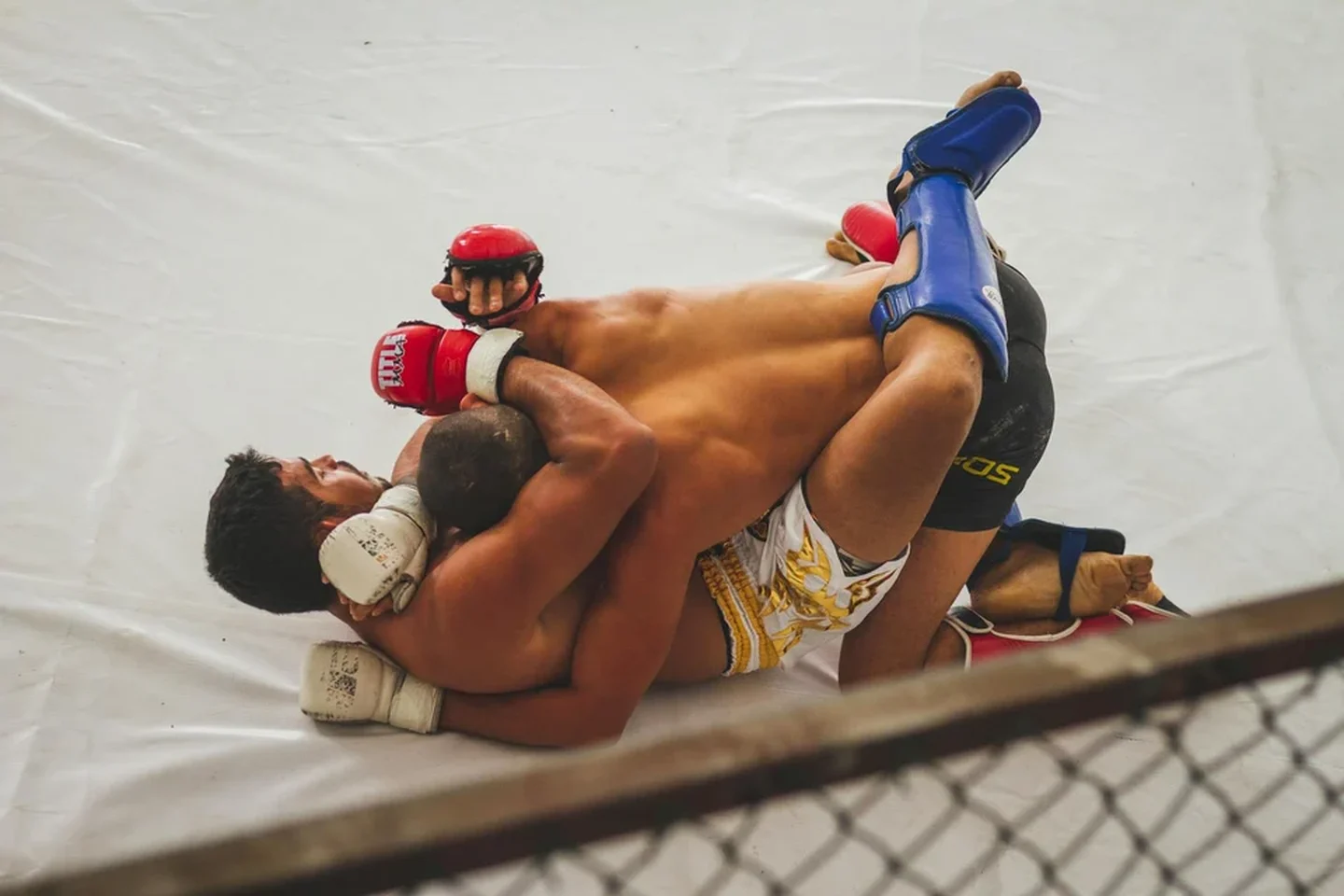
To better understand the technical language of their journeys, reference our Canadian UFC Fighters Glossary of Terms.
Conclusion: A Legacy Forged in the Octagon
The history of Canadian UFC champions is a narrative of relentless pursuit of excellence. From Carlos Newton’s groundbreaking victory to the historic dynasty of Georges St-Pierre and the heavyweight conquests that followed, Canadian fighters have consistently proven they belong at the absolute summit of the sport. This legacy is more than a collection of belts and UFC career records; it is a cultural imprint that has made Canada a heartland of mixed martial arts passion and production. It has inspired arenas full of fans, launched countless training careers, and given a nation shared moments of unparalleled sporting glory.
As the Ultimate Fighting Championship continues to evolve, the foundation laid by these champions ensures that Canada will always have a stake in its future. The next title challenger is training right now, motivated by the legends who came before them, ready to add their own chapter to this storied legacy.
Stay up-to-date with every step of their journey. For the latest on title pursuits, contender clashes, and all UFC fight news surrounding Canada’s finest, keep your browser locked right here on UFC Canada.
Reader Comments (5)