


Analysis: Canadian Fighters' Performance by Weight Class
For a nation with a relatively small population, Canada’s impact on the Ultimate Fighting Championship has been disproportionately monumental. From the icy dominance of a welterweight king to the current generation of contenders scattered across the roster, Canadian UFC fighters have carved out a legacy defined by technical prowess, resilience, and championship pedigree. However, this success is not evenly distributed. The narrative of Canadian excellence in the UFC is deeply intertwined with specific weight classes where athletes have historically thrived, while other divisions tell stories of potential waiting to be fully realized.
This analysis delves into the stratified performance of UFC fighters from Canada, breaking down their historical and contemporary impact division by division. By examining championship reigns, contender status, and the developmental pipeline, we gain a clearer picture of where Canada has planted its flag most successfully within the Octagon and where the future battles for relevance will be fought.
The Legacy Divisions: Welterweight & Middleweight
When discussing Canadian UFC fighters, the conversation begins and often lingers in the welterweight division. This is the domain of Georges St-Pierre, a name synonymous with excellence and the benchmark against which all fighters, not just Canadians, are measured. GSP’s reign atop the 170-pound division wasn’t just successful; it was era-defining. His blend of elite wrestling, dynamic striking, and unparalleled fight IQ led to a record-setting nine consecutive title defenses. He transformed the division into a global showcase for Canadian martial arts, creating a shadow that both inspires and intimidates every Canadian welterweight who has followed.
The post-GSP era has seen a mix of contenders. While no one has replicated his championship dominance, fighters like Mike Malott have shown flashes of promise, carrying the torch for a new generation. The welterweight division remains a spiritual home for Canadian UFC fighters, a class where the standard was set impossibly high.
Similarly, the middleweight division (185 lbs) has been a stronghold, largely thanks to the same man. Georges St-Pierre’s move up to capture the 185-pound title against Michael Bisping was a staggering feat, making him one of the few fighters to win titles in multiple weight classes. Beyond GSP, fighters like Elias Theodorou and Marc-André Barriault have represented Canada with tenacity, consistently featuring on UFC fight cards and contributing to the nation’s presence in the upper-middle tier of the division.
The Powerhouses: Light Heavyweight & Heavyweight
Canada has a storied history in the UFC’s larger weight classes, producing athletes known for their fight-ending power. The light heavyweight division (205 lbs) was once dominated by another all-time great: Jon Jones. While Jones represents the USA, his early career was profoundly shaped by his training at Montreal’s Tristar Gym, a testament to the Canadian coaching ecosystem. In terms of homegrown talent, the division has seen formidable contenders like Misha Cirkunov, who briefly cracked the top 10, and more recently, fighters like Tyson Pedro, who have delivered memorable UFC fight news with spectacular knockouts.
The heavyweight division tells a similar story of explosive impact. While a Canadian has yet to claim the heavyweight throne, the division has been marked by some of the most iconic Canadian fighters in UFC history. The late, great Kevin “The Monster” Randleman, though born in the U.S., fought out of Canada for a period and is remembered for his terrifying athleticism. In the modern era, fighters like Tanner Boser provided a steady stream of action-packed performances. The heavyweight division for Canada is defined by thrilling moments and fan-friendly styles, always promising the potential for a seismic shift in the UFC rankings with one well-placed punch.
The Battlegrounds: Lightweight & Featherweight
The lightweight (155 lbs) and featherweight (145 lbs) divisions represent the most competitive landscapes in the UFC, and Canadian fighters have engaged in grueling battles for relevance here. These talent-saturated divisions are where depth is tested.

At lightweight, the Canadian presence has been persistent but without a sustained championship contender since the days of Sam Stout. Current athletes like Kyle Nelson face the daunting task of climbing a ladder filled with elite global talent. Every win in this division is a hard-earned testament to skill, making the journey for Canadian UFC fighters here particularly arduous.
The featherweight division shares this characteristic. While Canada has produced incredibly skilled 145-pound fighters, such as the dynamic Hakeem Dawodu, breaking into the upper echelon has proven challenging. The path is blocked by a long line of international superstars, requiring not just skill but a relentless string of victories to gain recognition. Success in these divisions is a slow burn, marked by incremental climbs in the official UFC rankings and hard-fought main card slots.
The Emerging Frontiers: Women’s Divisions & Lower Weight Classes
Canada’s modern influence is increasingly visible in the women’s divisions and the lower weight classes—areas that have grown exponentially in the UFC era. Flyweight (125 lbs) has emerged as a surprising bright spot. Male fighters like Malcolm Gordon and the highly ranked (at bantamweight) Brad Katona have showcased the technical, high-paced style that thrives at lower weights. Katona’s victory on The Ultimate Fighter underscored the depth of Canadian skill in these precision-based divisions.
The women’s divisions are where Canada is currently writing some of its most compelling UFC news. At strawweight (115 lbs), the rise of fighters like Jasmine Jasudavicius signals a new wave. Her aggressive, pressure-based style has made her a must-watch athlete and a potential future contender. Similarly, in the women’s flyweight division (125 lbs), Gillian Robertson has long been a fixture, holding the record for most submission wins in UFC women’s history. These fighters are not just participants; they are record-setters and headliners, representing the evolving and expanding footprint of UFC in Canada.
Factors Influencing Performance by Division
Why do these disparities exist? Several key factors shape how Canadian fighters perform in specific weight classes.
The Pioneer Effect: The monumental success of a figure like Georges St-Pierre creates a gravitational pull. Young athletes see a path to glory, coaches develop expertise in that weight class’s meta, and a national infrastructure develops. The UFC Performance Institute (UFC PI) may be a global resource, but local gyms like Tristar, built around GSP’s success, became factories for welterweight and middleweight talent.
Regional Training Camps: The concentration of elite training camps in certain regions influences weight class representation. Historically, major Canadian hubs have excelled in producing well-rounded, grappling-centric fighters suited to welterweight and middleweight, as seen in our comprehensive Canadian UFC fighters profiles.
Athletic Demographics: The natural athletic build prevalent in a country’s population pool influences which divisions are most populated. Canada’s strong history in wrestling and hockey has traditionally created a pipeline of athletes whose size and explosiveness translate well to the 170-205 lb range.
The Contender Pipeline: Sustained success requires a pipeline. A division with one star but no emerging prospects is a flash in the pan. The health of a weight class for a nation is measured by having a mix of established veterans, current contenders, and promising newcomers all simultaneously competing on UFC fight cards.
Case Study: Breaking Down a Canadian Fighter’s Path
To understand these dynamics in action, let’s consider a hypothetical but representative path. A top Canadian prospect today likely emerges from a strong regional scene, perhaps in Ontario or Alberta, with an amateur background steeped in wrestling. They might catch the eye of UFC scouts on the regional circuit before earning a contract.
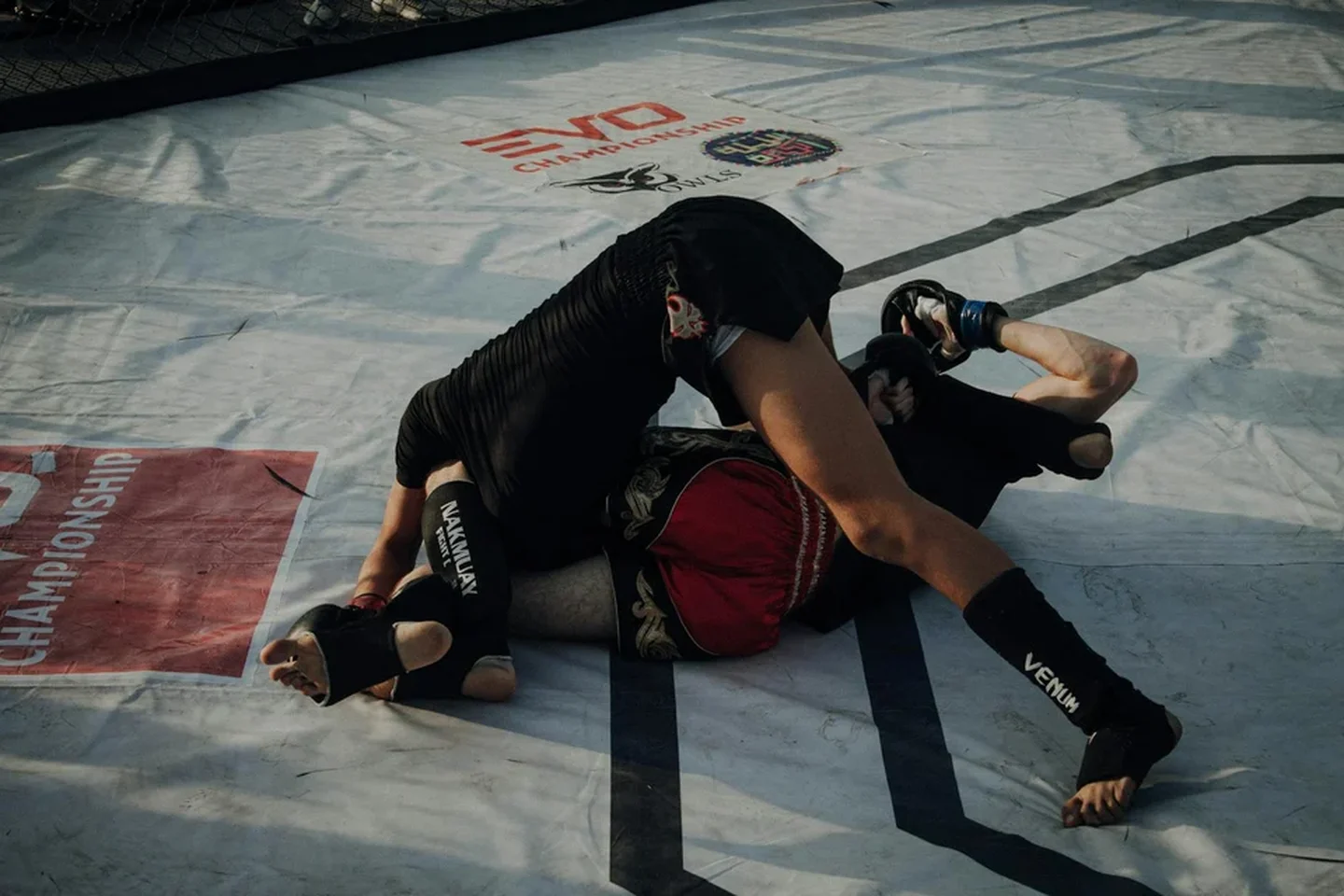
Their early UFC career records are built on UFC Canada events, where they benefit from a hometown crowd. As they climb, their training may evolve—they might spend camps at the UFC PI in Las Vegas to access world-class sparring or bring in specialized striking coaches. Their ranking climbs with each win, moving from preliminary cards to featured bouts. A breakthrough performance, perhaps one that cracks the top 10, could land them a main event slot, potentially even headlining a major UFC event in Canada. This journey, from prospect to contender, is the engine that drives a nation’s presence in any given weight class.
The Future of Canadian Fighters in the UFC
The future landscape for UFC fighters from Canada is one of both consolidation and exploration. The legacy in the welterweight and middleweight divisions will continue to be honored and pursued by new generations. However, the most significant growth may occur in the spaces where the pioneer effect is now taking hold: the women’s divisions and the lower weight classes.
With enhanced training resources, global exposure through UFC broadcast partners, and the success of contemporary role models, the athletic pipeline is diversifying. The next Georges St-Pierre may emerge from an unexpected division—a strawweight champion or a bantamweight king. The infrastructure that supported one legend is now broad enough to cultivate many.
Furthermore, the connection between the UFC and Canada deepens with every major UFC event in Canada. These events are not just shows; they are talent incubators and cultural moments that inspire the next wave of athletes across all weight classes, from the heavyweights to the atomweights.
Conclusion
The story of Canadian UFC fighters is not a monolith. It is a collection of distinct narratives, each tied to the unique demands and history of a weight class. From the championship glory of welterweight, anchored in the UFC Hall of Fame career of Georges St-Pierre, to the power-driven moments at light heavyweight, and onto the emerging narratives in the women’s flyweight and strawweight divisions, Canada’s impact is multifaceted.
This analysis reveals that Canadian success is cyclical and ecosystem-dependent. It requires pioneers to set the standard, camps to cultivate talent, and a new generation to push into uncharted territory. As the sport evolves, so too will the map of Canadian excellence within the UFC’s weight classes.
To explore the detailed journeys of the athletes building this legacy across every division, delve into our complete roster of Canadian UFC fighters profiles. And to relive the moments that defined their climbs, explore our feature on the biggest wins by Canadian fighters in UFC history.
Reader Comments (6)